
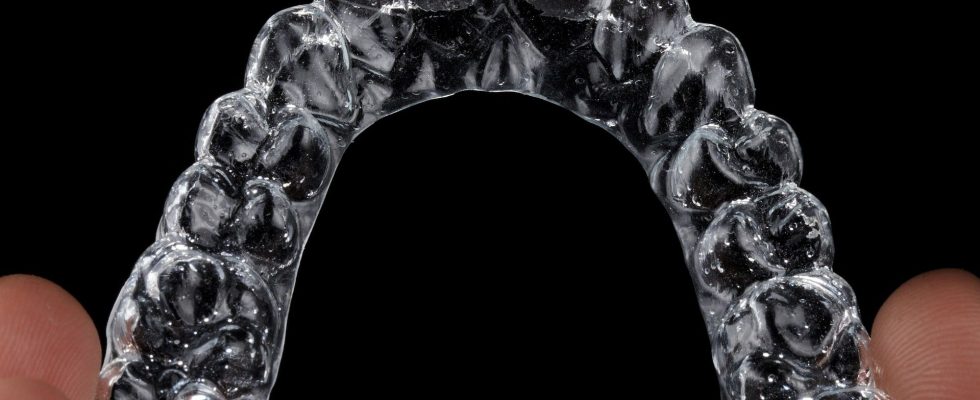
OMD’s recommendation, through the College of Orthodontics, appears after the opinion that was emitted at the end of the year by the Council of European Dentists (CED) due to the risks associated with the orthodontics ever-growing “do it yourself” publicity, a situation also verified in Portugal.
For the Order, “all and any orthodontic treatment demands rigorous diagnostic and accompaniment by a qualified dentist. All the steps must be in person, for a permanent evaluation of the treatment’s evolution, reducing unwanted collateral effects”.
Miguel Pavão, chairman of the OMD, considers that “the orthodontic self-treatment carries serious risks for the patient. They arrive at the dentist’s office in worrying situations, in which it is no longer possible to save part of the teeth or with caries that need invasive interventions or even with advanced infections”.
The “do it yourself” approach neither implies contact with a qualified dentist, nor the carrying out of clinical or radiological exams – the images are obtained by the patient himself or in a company’s filial. Following the opinion of the CED, many of these companies say they have a dentist supervising the treatment plan, although the patient never meets them personally. They also oblige them to sign a non-disclosure agreement, limiting the freedom and autonomy of the patient in the report problems that come from the treatment, revealed by the OMD on their website.
OMD recommends that the orthodontic self-treatment and the remote treatment of patients be “rejected for being potentially damaging to the patient’s health” and adds: “Only the treatment and the clinical accompaniment realized by the dentist guarantees the assumption of responsibility towards the patient for medical error”
Know more on the Order’s website.

